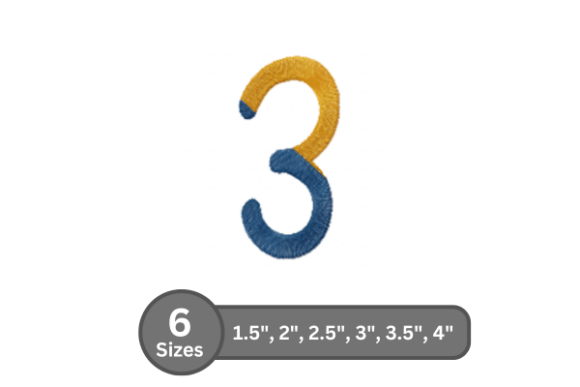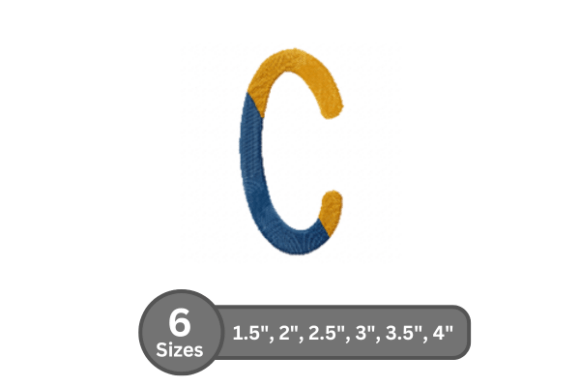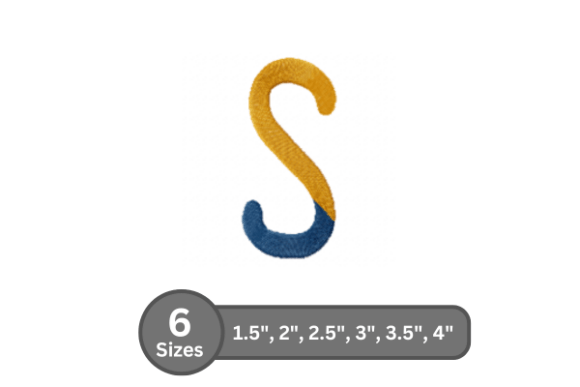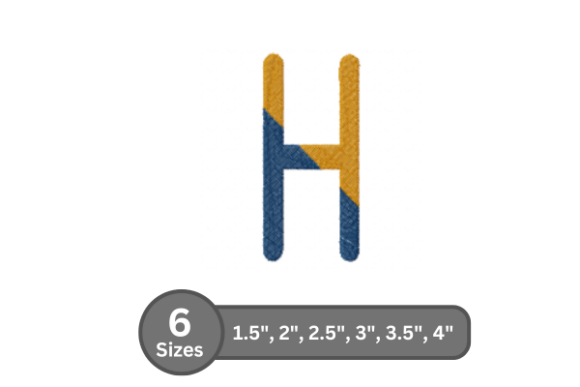
Chalk Split Number -5: Elevating Machine Embroidery with Professional Fill Stitch Typography
In the evolving landscape of machine embroidery, the distinction between amateur crafting and professional customization often lies in the quality of digitization. While many enthusiasts focus on thread color or fabric choice, the underlying architecture of the design file dictates the final outcome. Chalk Split Number -5 represents a shift toward high-quality, purpose-built typography that addresses common pain points in digital embroidery. This fill stitch embroidery font has been carefully digitized for smooth stitching and professional results, moving beyond simple aesthetic appeal to ensure structural integrity during the embroidery process.
For creators, entrepreneurs, and hobbyists, the demand for personalized goods has never been higher. However, modern consumers possess a refined eye for quality. They can distinguish between a generic, jagged stitch-out and a deliberate, textured design. Chalk Split Number -5 caters to this elevated standard by providing a classic and bold stitched look that mimics the organic texture of chalk while maintaining the precision required for machine embroidery. Designed for embroidery machines, this font is perfect for personalizing clothing, bags, towels, and home décor projects, bridging the gap between vintage aesthetics and contemporary manufacturing capabilities.
The Technical Advantage of Purpose-Built Digitization
The primary challenge in embroidering text, particularly styles that mimic hand-drawn or chalk effects, is managing stitch density and pull compensation. Generic fonts converted automatically by software often result in puckering, thread breaks, or illegible characters when scaled. Chalk Split Number -5 differs because it is not merely a vector shape filled with stitches; it is a native embroidery design engineered for the physical realities of needle and thread.
This careful digitization ensures that the fill stitches lay flat and interact correctly with various fabric grains. For professionals running production environments, this translates to reduced downtime for re-hooping or fixing bird nests. For hobbyists, it means less frustration and more consistent results across different projects. The "split" nature of the number and letterforms adds visual interest without compromising the structural stability of the stitch column. This balance is critical when working on items like towels or canvas bags where fabric texture can interfere with fine details.
Versatility Across Sizes and Substrates
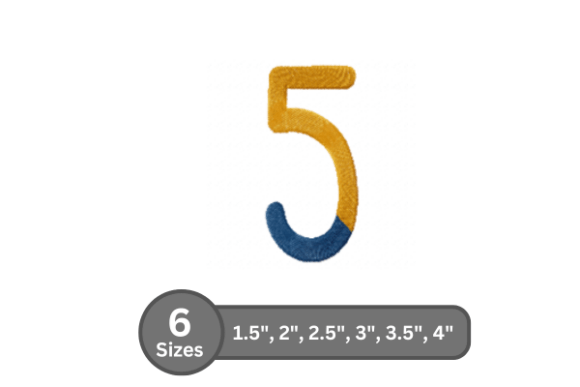
One of the most significant limitations of standard embroidery fonts is scalability. Many designs distort when resized, losing their intended character or becoming too dense for the fabric. Each letter in the Chalk Split Number -5 collection comes in multiple sizes, making it versatile for monograms, names, and creative lettering without requiring manual redigitizing.
This multi-size capability aligns with current workflow trends where efficiency is paramount. A small business owner creating branded tote bags needs the same typeface for a large chest logo as they do for a subtle sleeve tag. Having pre-digitized variations ensures that the stroke width and chalk texture remain proportional regardless of the application. This versatility extends to substrate compatibility:
- Apparel: On knits and cottons, the fill stitch provides enough coverage to be visible without adding excessive weight or stiffness to the garment.
- Terrycloth and Towels: The bold nature of the chalk style helps the design stand out against high-pile fabrics where thinner lines might get lost.
- Home Décor: For pillows and wall hangings, the textured appearance adds a tactile element that complements interior design trends favoring artisanal and handmade aesthetics.
- Bags and Accessories: The durability of the fill stitch construction withstands the wear and tear associated with daily-use items.
Aligning with Modern Personalization Trends
The resurgence of analog aesthetics in a digital world has influenced embroidery trends significantly. There is a growing preference for designs that feel human and imperfect over sterile, computer-generated perfection. Chalk Split Number -5 taps into this cultural moment by offering a typographic style that feels nostalgic yet executes with modern precision. This is particularly relevant for the wedding industry, boutique retail, and personalized gifting sectors where emotional resonance drives purchasing decisions.
Furthermore, the rise of micro-entrepreneurship has changed how embroidery machines are utilized. Makers are no longer just producing samples; they are fulfilling custom orders with tight turnarounds. In this context, reliable assets are as valuable as creative ones. Using an easy-to-use embroidery alphabet font reduces the cognitive load during the design phase. Instead of troubleshooting why a letter is pulling the fabric or why the registration is off, creators can trust the asset and focus on layout, color theory, and customer service.
The Role of Texture in Digital Craftsmanship
Texture has become a defining characteristic of premium embroidery. Flat satin stitches, while useful, can sometimes appear industrial or dated when used exclusively. Fill stitches, particularly those designed to emulate chalk or brush strokes, introduce depth and shadow. Chalk Split Number -5 leverages this by using stitch direction and density variation to create a visual texture that changes depending on the lighting and viewing angle.
This attention to textural detail satisfies the expectations of a market saturated with print-on-demand products. Embroidery offers something print cannot: physical dimension. By choosing a font that emphasizes this dimensional quality, embroiderers differentiate their work from mass-produced alternatives. The chalk effect suggests artistry and care, signaling to the end-user that the item was crafted with intention rather than stamped out by an automated algorithm.
Practical Implementation for Professionals and Hobbyists
Integrating Chalk Split Number -5 into your workflow requires understanding both its strengths and best practices. While the digitization handles much of the heavy lifting, successful embroidery always depends on proper stabilization and hooping. Because this is a fill stitch font, it generally requires a stable backing to prevent distortion, especially on stretchy fabrics. However, the optimized stitch path minimizes the amount of stabilizer needed compared to poorly digitized alternatives, preserving the drape of the finished garment.
For educators and content creators in the embroidery space, this font serves as an excellent teaching tool. It demonstrates how complex textures can be achieved through strategic stitch placement rather than excessive density. Analyzing the stitch file can provide insights into professional digitizing techniques, such as how to handle corners in chalk-style letters or how to manage tie-ins and tie-offs to maintain a clean appearance.
Optimizing Workflow Efficiency
Time is a finite resource for anyone operating an embroidery machine commercially. The ease of use associated with Chalk Split Number -5 directly impacts profitability and creative output. When a font is truly "easy-to-use," it implies several technical benchmarks:
- Clean Formatting: Files load correctly across major machine brands without corruption or missing elements.
- Predictable Behavior: The design stitches out consistently, allowing for accurate time estimates and pricing models.
- Minimal Post-Processing: Reduced jump stitches and optimized trims mean less manual cleanup after the machine finishes.
- Legibility at Scale: Confidence that the design will read clearly whether applied to a baby bib or a denim jacket back panel.
These factors contribute to a smoother production cycle. For freelancers and marketers managing brand merchandise, consistency is key to brand identity. Using a reliable, professionally digitized font ensures that every piece of merchandise reflects the same level of quality, reinforcing brand trust.
Navigating Material Choices and Design Pairing
While Chalk Split Number -5 is versatile, maximizing its impact involves thoughtful material selection. The chalk texture pairs exceptionally well with matte threads and natural fibers. High-sheen rayon threads can sometimes clash with the rustic intent of the chalk style, whereas matte cotton or polyester threads enhance the vintage, hand-drawn illusion. Experimenting with tonal thread colors—using a shade slightly lighter or darker than the fabric—can also emphasize the texture created by the fill stitches.
When pairing this font with other design elements, consider the visual weight. The bold, textured nature of the chalk numbers and letters makes them ideal anchors for a composition. They work beautifully alongside delicate floral line art or minimalist geometric shapes, creating a contrast that highlights both elements. Avoid pairing them with other heavy fill stitch designs, as this can create a dense, stiff area that detracts from the wearer's comfort and the item's functionality.
Future-Proofing Your Embroidery Library
Investing in high-quality digitized assets like Chalk Split Number -5 is a strategy for long-term sustainability in embroidery. Trends in specific motifs may come and go, but well-executed typography remains a staple of the industry. As machines become faster and more capable, the limitation shifts from hardware to software and asset quality. Having a library of professionally digitized fonts ensures that your equipment is always performing at its peak potential.
Moreover, as the maker economy matures, customers are increasingly willing to pay premiums for superior craftsmanship. The difference between a standard block font and a specialized, textured typeface like Chalk Split Number -5 is immediately perceptible. It communicates a level of expertise and care that justifies higher price points and fosters customer loyalty. In a digital age where instant gratification is common, the tangible, textured quality of expertly embroidered typography offers a grounding, lasting value that resonates deeply with modern audiences.
Ultimately, Chalk Split Number -5 is more than just a collection of letters and numbers; it is a tool for elevating the standard of machine embroidery. By combining artistic charm with technical rigor, it empowers users to create work that stands the test of time, both in durability and style. Whether you are personalizing a single gift or outfitting a corporate team, the reliability and aesthetic appeal of this fill stitch font make it an indispensable asset in the modern embroiderer’s toolkit. Add a classic and bold stitched look to your projects with this easy-to-use embroidery alphabet font, and experience the difference that professional digitization makes in every stitch.