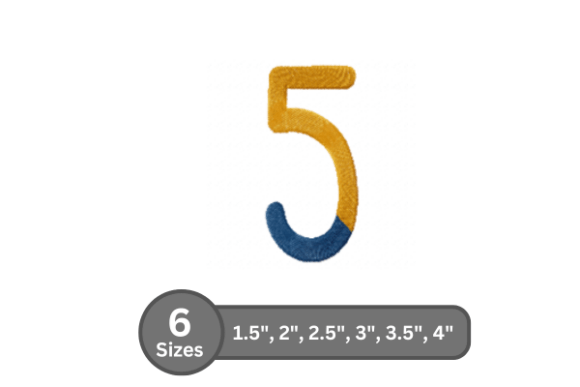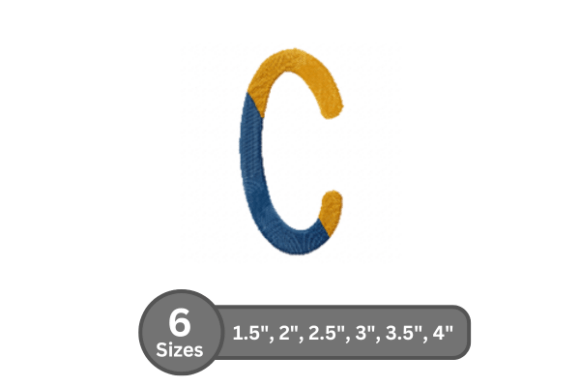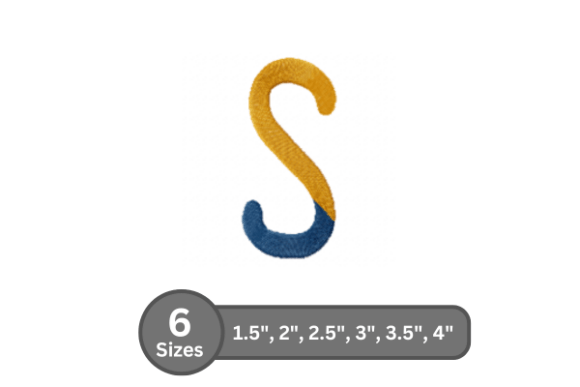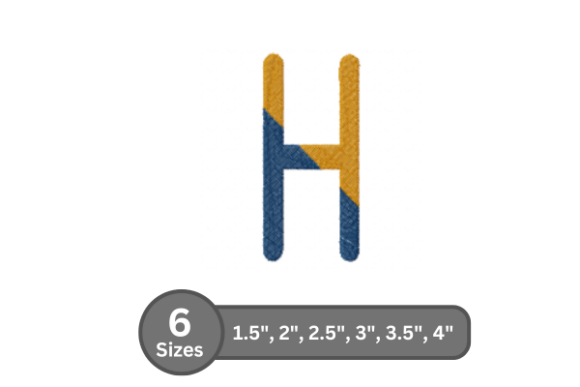
Chalk Split Number -3: Elevating Machine Embroidery with Professional Fill Stitch Typography
In the evolving landscape of machine embroidery, the distinction between a homemade craft and a professional product often lies in the quality of digitization. As creators, small business owners, and hobbyists seek to elevate their work, the demand for typography that mimics traditional hand-stitching while maintaining digital precision has surged. Chalk Split Number -3 represents a significant response to this need, offering a fill stitch embroidery font carefully digitized for smooth stitching and professional results. This specific typeface bridges the gap between vintage aesthetic appeal and modern manufacturing efficiency, addressing a common pain point in the industry where decorative fonts often suffer from poor stitch density or excessive jump stitches.
The relevance of this font extends beyond mere aesthetics. In an era where personalization drives consumer engagement, having a reliable, versatile alphabet is essential for anyone serious about textile customization. Whether you are running a boutique monogramming business or creating bespoke home décor, the technical integrity of your lettering dictates the longevity and perceived value of the finished piece. Chalk Split Number -3 is designed specifically for embroidery machines, ensuring that the transition from screen to fabric preserves the intended bold, classic look without compromising the structural integrity of the material.
The Shift Toward Textural Authenticity in Digital Design
Current trends in embroidery and textile design reflect a broader cultural shift toward authenticity and tactile experiences. While digital printing offers speed, it lacks the dimensional quality that consumers increasingly associate with luxury and care. This has led to a resurgence in fill stitch typography that emulates chalk, charcoal, or hand-painted signage. However, achieving this texture mechanically requires sophisticated digitizing. Standard satin stitch fonts often fail to capture this rustic elegance, appearing too shiny or uniform.
Chalk Split Number -3 capitalizes on this trend by utilizing complex fill patterns that break up light reflection, creating a matte, textured appearance similar to actual chalk. This evolution in font design acknowledges that modern users expect digital assets to perform like traditional media. For marketers and brand managers, this means merchandise carries a higher perceived artisanal value. For educators and creators, it provides a tool that aligns with current visual preferences without requiring hours of manual re-digitizing. The font’s ability to deliver a classic and bold stitched look satisfies the market's desire for nostalgia while leveraging contemporary technology for consistency.
Technical Digitization and Workflow Efficiency
For professionals and freelancers operating on tight margins, time is as valuable as thread. A poorly digitized font can result in frequent thread breaks, puckering, and excessive trimming time, all of which erode profitability. This fill stitch embroidery font is carefully digitized for smooth stitching, meaning the stitch pathing has been optimized to minimize unnecessary movements. When a font is engineered correctly, the machine maintains better tension, and the operator spends less time troubleshooting and more time producing.
The practical implications of high-quality digitization are evident in production workflows:
- Reduced Puckering: Proper underlay and stitch direction distribution prevent fabric distortion, which is critical when working with lightweight garments or stretchy knits.
- Faster Run Times: Optimized pathing reduces the total stitch count required to achieve coverage without sacrificing density, allowing for quicker turnaround on bulk orders.
- Cleaner Backings: Efficient jump stitch management results in a neater reverse side, reducing post-production cleanup and improving comfort for wearable items.
- Consistent Registration: Precise digitization ensures that letters align perfectly when spacing names or phrases, eliminating the guesswork often associated with combining individual characters.
By integrating Chalk Split Number -3 into your library, you are essentially outsourcing the technical expertise required to make complex textures run smoothly. This allows creators to focus on design composition and client relationships rather than machine maintenance.
Versatility Across Substrates and Applications
One of the primary challenges in embroidery is finding a single typeface that performs well across diverse materials. A font that looks stunning on denim may disappear on terry cloth or distort on silk. Chalk Split Number -3 addresses this versatility through its inclusion of multiple sizes and balanced density settings. This adaptability makes it perfect for personalizing clothing, bags, towels, and home décor projects without needing to purchase separate variations for each substrate.
Consider the varying requirements of common embroidery projects:
- Apparel and Wearables: On t-shirts and hoodies, the fill stitch structure provides durability against washing and wear. The bold nature of the font ensures legibility even after repeated laundering, making it ideal for team uniforms or branded merchandise.
- Towels and Terry Cloth: High-pile fabrics typically require heavy toppings and dense stitches to prevent sinking. The inherent density of this chalk-style font naturally combats pile intrusion, maintaining crisp edges where lighter fonts would fail.
- Bags and Canvas: Heavyweight substrates demand robust stitching. The textured fill adds visual interest to otherwise plain canvas totes or backpacks, turning functional items into statement pieces.
- Home Décor: For pillows and wall hangings, the artistic quality of the split number design contributes to the overall interior aesthetic, functioning as art rather than just labeling.
This cross-functional utility maximizes the return on investment for the digitized file. Instead of maintaining a fragmented library of niche fonts, users can rely on a single, robust asset that adapts to changing project demands.
Meeting Modern Expectations for Personalization
The personalization economy has matured. Customers no longer accept generic block lettering as "custom." They seek unique identifiers that reflect personality, heritage, or specific stylistic preferences. Monograms and names rendered in Chalk Split Number -3 offer a distinctive alternative to standard script or collegiate blocks. The split effect within the fill stitch adds a layer of detail that invites closer inspection, signaling to the recipient that thought and effort were invested in the creation.
For business owners, this level of detail supports premium pricing strategies. When a product looks intentionally designed rather than mass-produced, customers perceive greater value. Furthermore, the ease of use associated with this embroidery alphabet font lowers the barrier to entry for offering customized services. Freelancers and side-hustlers can confidently accept orders involving complex lettering, knowing the underlying digitization will support professional outcomes. This reliability builds trust and encourages repeat business, which is foundational for sustainable growth in the creative sector.
Practical Recommendations for Implementation
To fully leverage the capabilities of Chalk Split Number -3, users should adopt best practices that complement the font’s engineering. While the digitization is optimized for performance, material variables still play a role in the final output.
Stabilizer Selection: Although the font is digitized for smooth stitching, using the correct stabilizer remains paramount. For the chalk texture to render sharply, a firm cut-away stabilizer is generally recommended for apparel to prevent shifting during the fill stitch process. For towels, a water-soluble topping is essential to keep the texture visible above the pile.
Needle and Thread Considerations: The split nature of the design relies on contrast to be visible. Using a matte or cotton-finish thread can enhance the chalk illusion compared to high-sheen rayon. Additionally, ensuring your needle is sharp and appropriately sized for the thread weight prevents damage to the intricate fill areas.
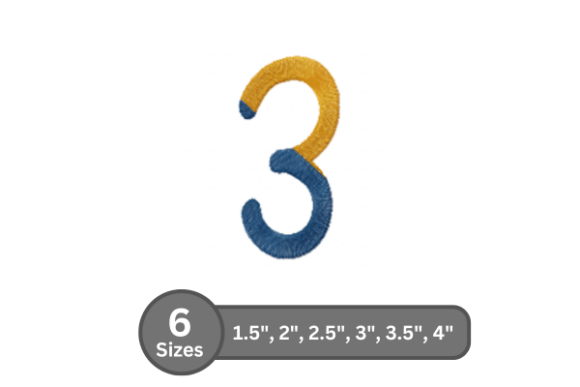
Sizing and Spacing: Because each letter comes in multiple sizes, avoid manually resizing the font outside of the provided parameters whenever possible. Extreme scaling can alter stitch density and compromise the split effect. Utilize the pre-digitized sizes to maintain the integrity of the design, and adjust kerning manually to accommodate the unique width variations inherent in chalk-style typography.
The Future of Embroidered Typography
As embroidery technology continues to advance, the line between digital art and traditional needlework will continue to blur. Fonts like Chalk Split Number -3 represent the current pinnacle of this convergence, where software sophistication serves artistic expression. For the modern embroiderer, staying competitive means adopting tools that respect both the history of the craft and the realities of digital production.
Investing in high-quality, professionally digitized assets is not merely a purchase; it is an upgrade to your operational capability. It signals a commitment to excellence that resonates with clients and distinguishes your work in a crowded marketplace. By choosing a font that prioritizes smooth stitching, versatile application, and authentic texture, you ensure that your embroidery projects remain relevant, durable, and visually compelling for years to come. The classic and bold stitched look achieved through this easy-to-use embroidery alphabet font is more than a stylistic choice—it is a strategic advantage in the business of personalized textiles.