Evaluating Chalk Split Alphabet -H for Embroidery Projects
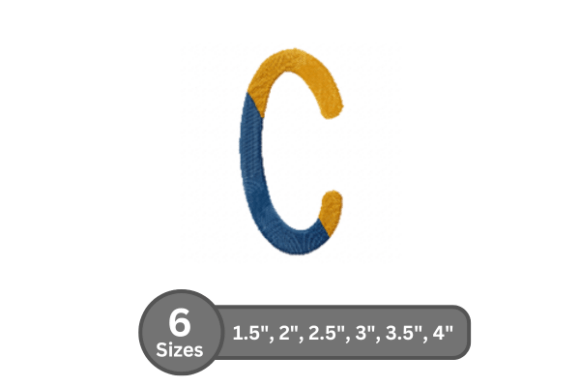
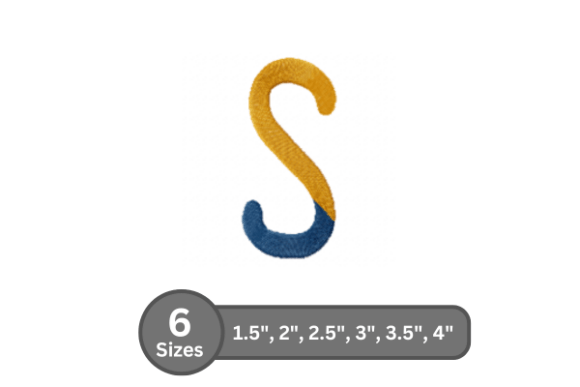
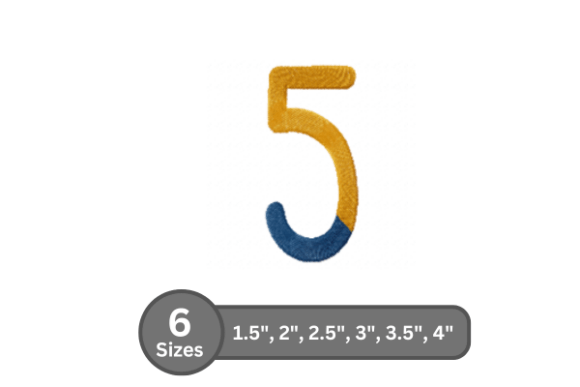
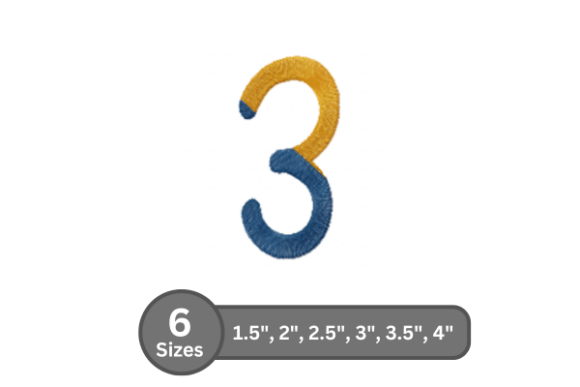
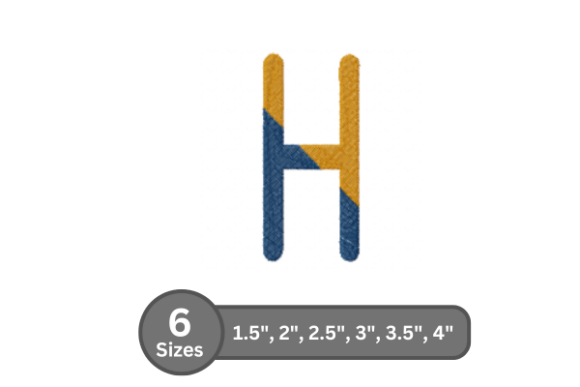
Selecting the appropriate typography is one of the most critical decisions in machine embroidery. The font chosen dictates not only the aesthetic outcome but also the structural integrity of the stitch-out and the longevity of the finished item. For embroiderers seeking a textured, hand-drawn appearance without the instability often associated with sketch-style designs, Chalk Split Alphabet -H presents a specific technical solution. This fill stitch embroidery font has been digitized to replicate the organic look of chalk lettering while maintaining the stability required for professional results. Understanding the technical characteristics, ideal applications, and limitations of this asset is essential for determining whether it aligns with current project requirements.
Technical Composition and Digitization Quality
The primary distinction of Chalk Split Alphabet -H lies in its construction as a fill stitch font rather than a satin or running stitch variant. In embroidery digitization, "chalk" styles often suffer from excessive jump stitches or loose tension that mimics the dustiness of actual chalk but fails mechanically on fabric. This specific alphabet addresses those challenges through careful digitization focused on smooth stitching paths.
Because it utilizes fill stitches, the letterforms possess a solid interior structure. This provides several technical advantages over outline-only chalk fonts:
- Reduced Pull Compensation Issues: Fill stitches generally offer better registration on stable fabrics compared to narrow satin columns, which can gap or tunnel.
- Texture Retention: The fill pattern is engineered to create visual texture that resembles split chalk marks without compromising thread coverage.
- Scalability: Unlike some complex artistic fonts that distort when resized, this alphabet is available in multiple pre-digitized sizes. This ensures that stitch density remains appropriate whether the letter is used for a small monogram or large-scale décor.
For users evaluating this font, it is important to recognize that "smooth stitching" in this context refers to optimized travel paths and tie-offs. This reduces production time and minimizes the risk of thread breaks during high-speed commercial runs or extended home embroidery sessions.
Ideal Applications and Material Compatibility
The versatility of Chalk Split Alphabet -H makes it suitable for a wide range of substrates, though its bold, classic profile performs best in specific contexts. When deciding whether to deploy this font, consider the interaction between the stitch type and the base material.
Apparel and Wearables
This font is particularly effective for personalizing clothing where durability is paramount. The fill stitch construction withstands laundering better than delicate running-stitch chalk fonts. It is well-suited for denim jackets, canvas tote bags, and heavyweight cotton t-shirts. The bold nature of the lettering ensures legibility even on textured fabrics where finer details might be lost.
Home Décor and Linens
For towels, pillows, and wall hangings, the aesthetic goal is often warmth and approachability. Chalk Split Alphabet -H bridges the gap between formal script and utilitarian block letters. It adds a classic stitched look that complements rustic, farmhouse, or vintage-inspired designs. Because the letters are substantial, they provide adequate coverage on terry cloth and linen without requiring excessive underlay that could stiffen the fabric.
Tradeoffs and Practical Considerations
While Chalk Split Alphabet -H offers significant benefits, objective evaluation requires acknowledging its limitations. No single font is universally appropriate, and understanding the tradeoffs prevents dissatisfaction with the final product.
Stitch Count and Production Time
Fill stitch alphabets inherently carry higher stitch counts than running stitch or minimalist satin fonts. A three-inch letter in this style may contain significantly more stitches than a comparable outline font. For commercial shops charging by the thousand stitches or hobbyists with time-sensitive deadlines, this impacts efficiency. Users must weigh the desired aesthetic against the increased machine run time.
Fabric Weight Limitations
The density required to achieve the "chalk" effect via fill stitches means this font is generally unsuitable for lightweight or sheer fabrics. On voile, chiffon, or lightweight jersey, the stitch density may cause puckering, tearing, or an overly stiff hand-feel. Stabilizer selection becomes critical; however, even with optimal stabilization, the physical weight of the thread may overwhelm delicate bases. Evaluators should test on scrap material identical to the final project before committing to this font for lightweight goods.
Aesthetic Specificity
The "split" characteristic gives the font a distinct, slightly distressed edge. While this is the intended design feature, it renders the font inappropriate for projects requiring crisp, corporate, or ultra-modern precision. If the goal is clean legibility at very small sizes (under 0.5 inches), the internal texture of the fill stitch may become muddy. This font excels at medium-to-large scales but loses definition at micro-sizes.
Comparative Decision Making
Determining whether Chalk Split Alphabet -H is the correct choice involves comparing it against alternative typographic categories commonly found in embroidery libraries.
| Font Category | Best Use Case | Comparison to Chalk Split -H |
|---|---|---|
| Satin Script | Formal wear, delicate linens | Less durable, smoother finish, lower stitch count |
| Running Stitch Sketch | Quilting, light decoration | More fragile, faster stitch-out, less coverage |
| Standard Block Fill | Corporate logos, athletic wear | Cleaner edges, modern look, similar durability |
| Chalk Split -H | Rustic apparel, bold monograms | Textured aesthetic, high durability, medium-high density |
If the project demands a balance between artistic texture and mechanical reliability, Chalk Split Alphabet -H occupies a valuable middle ground. However, if the priority is speed, minimal fabric impact, or formal elegance, alternatives should be prioritized.
Implementation Best Practices
To maximize the performance of this digitized font, users should adhere to specific implementation guidelines. First, always utilize the provided size variations rather than manually resizing within embroidery software. Manual resizing alters stitch density and can negate the careful digitization that ensures smooth stitching. Second, pair this font with appropriate cutaway stabilizers for stretch fabrics and tear-away for stable wovens to support the fill stitch structure. Finally, because the font features a bold, classic profile, ensure adequate spacing between letters. The textured edges require negative space to remain distinct; crowding the letters can result in a visually heavy and illegible block of text.
Ultimately, Chalk Split Alphabet -H serves as a specialized tool for embroiderers who value character and durability over speed and delicacy. By evaluating project parameters against the font’s technical attributes, makers can confidently select this asset for applications where a professional, textured finish is the primary objective.