Evaluating the Doodle Stitch Applique Embroidery Font for Professional and Hobbyist Use
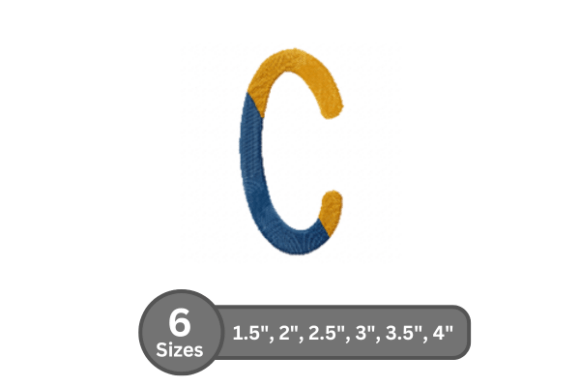
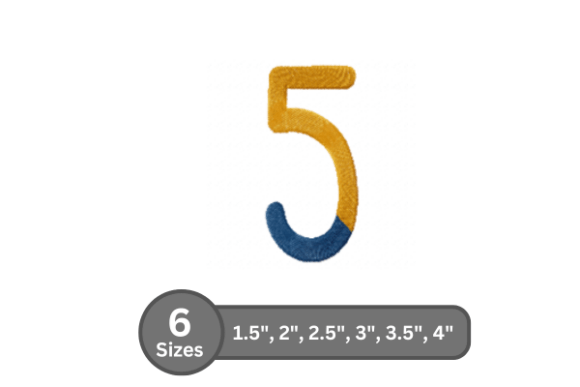
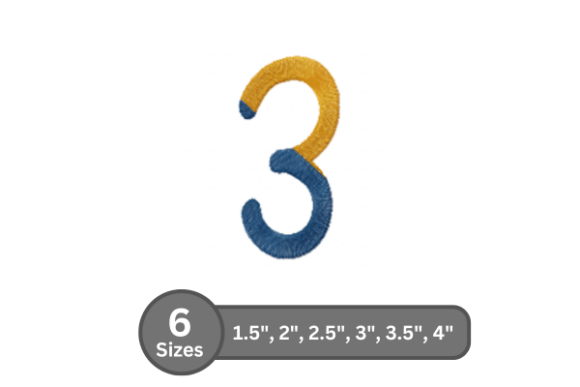
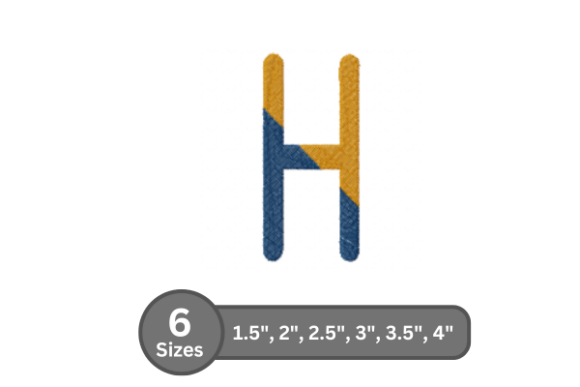
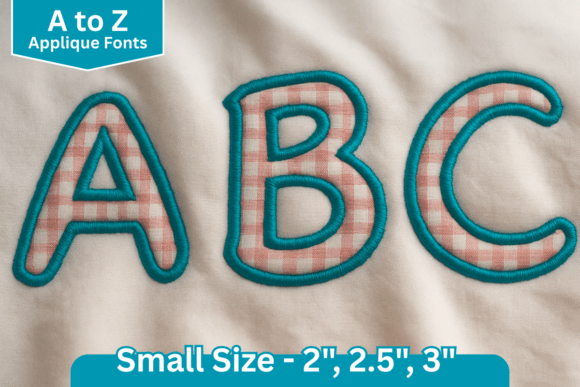
In the landscape of machine embroidery, finding typography that balances aesthetic appeal with technical reliability is a persistent challenge for digitizers and creators. The Doodle Stitch Applique Embroidery Font addresses this specific niche by offering a complete A–Z capital letter set designed specifically for fabric-on-fabric construction. Unlike standard satin or fill fonts, this typeface utilizes an appliqué technique where the letter shape is defined by fabric placement rather than dense thread coverage. This distinction is critical for professionals managing production efficiency and hobbyists seeking a distinct, handmade texture without the puckering issues often associated with large-scale text embroidery.
This font set is not merely a decorative asset; it is a functional tool optimized for specific substrates and project types. Understanding its technical characteristics, practical applications, and limitations is essential for determining whether it aligns with your current workflow or business needs. The following analysis breaks down the performance and value of this digitized alphabet in real-world scenarios.
Technical Characteristics and Digitization Quality
The primary value proposition of the Doodle Stitch Applique Embroidery Font lies in its digitization integrity. Appliqué fonts require a more complex stitch sequence than standard lettering, involving three distinct stages: a placement line, a tack-down stitch, and a final border finish. If any of these stages are poorly executed, the result is frayed edges, misaligned fabric, or excessive bulk. This particular set has been carefully digitized to ensure clean stitching transitions between these phases.
For users evaluating this asset, several technical factors stand out:
- Clean Edge Definition: The border stitches are programmed to adequately encapsulate the raw edge of the appliqué fabric. This reduces post-production trimming time and minimizes the risk of unraveling after washing, which is a common failure point in lower-quality appliqué designs.
- Optimized Stitch Count: Because the interior of the letter is filled with fabric rather than thread, the stitch count remains significantly lower than comparable satin fonts. This directly translates to reduced machine runtime and thread consumption, a crucial metric for small business owners calculating cost-per-unit on custom sportswear or bags.
- Consistent Weight: Maintaining uniform visual weight across different letterforms is difficult in appliqué digitizing. Narrow letters like 'I' and wide letters like 'W' must appear balanced when stitched out. This set demonstrates consistent column widths, ensuring that monograms and names maintain professional proportionality.
- Jump Stitch Management: Efficient pathing reduces unnecessary jump stitches and trims. While some cleanup may always be required depending on the specific machine, the underlying file structure prioritizes logical sequencing to keep production smooth.
Practical Applications and Substrate Compatibility
Versatility is often claimed but rarely delivered in embroidery assets. However, the nature of the Doodle Stitch Applique Embroidery Font makes it inherently adaptable to various textiles. The reduced thread density allows it to perform exceptionally well on fabrics that typically reject heavy embroidery.
Sportswear and Performance Fabrics
Performance knits and polyester blends are prone to distortion under high-density stitching. Standard block letters can cause tunneling or stretching that ruins the garment's drape. By utilizing appliqué, this font adds visual impact without compromising the structural integrity of lightweight jerseys, team uniforms, or athletic bags. The flexibility of the fabric-filled letters moves with the garment rather than acting as a rigid patch.
Kids’ Projects and Soft Goods
Texture matters in children’s apparel and accessories. High-density embroidery can feel abrasive against sensitive skin. The Doodle Stitch style offers a softer hand-feel, making it ideal for personalized blankets, bibs, and toddler clothing. Furthermore, the playful yet legible aesthetic bridges the gap between juvenile novelty and timeless design, allowing items to remain relevant as the child grows.
Home Décor and Heavyweight Textiles
On canvas tote bags, denim jackets, or upholstery-weight linens, standard embroidery can sometimes look flat or get lost in the weave. Appliqué introduces a layer of contrast and dimension that reads clearly from a distance. For home décor entrepreneurs, this means creating throw pillows or wall hangings that have a boutique, artisanal quality without requiring hours of manual assembly.
Workflow Integration and File Format Flexibility
A significant barrier to entry for many embroidery resources is proprietary formatting. This machine embroidery design mitigates that friction by including multiple industry-standard file formats. Whether you operate a commercial multi-needle setup using .DST or .EXP, or a single-needle home machine requiring .PES, .JEF, or .VP3, compatibility is generally assured. This broad support ensures that the asset retains its value even if you upgrade equipment or switch brands in the future.
From a workflow perspective, having a dedicated appliqué font streamlines the customization process. Instead of manually converting standard text into appliqué objects within expensive digitizing software—a process that requires advanced skill and significant time—users can simply load the pre-digitized letters. This allows marketers and creators to focus on design composition and client communication rather than technical troubleshooting. For freelancers handling high-volume personalization orders, this efficiency gain compounds over time.
Strategic Considerations and Limitations
While the Doodle Stitch Applique Embroidery Font is a robust resource, objective evaluation requires acknowledging its constraints. No single tool solves every problem, and understanding where this font falls short is as important as knowing its strengths.
- Capital Letters Only: The set includes only A–Z capitals. This limits its utility for traditional sentence-case typography or formal script monograms. It is best suited for bold statements, initials, acronyms, and all-caps names. Users requiring lowercase versatility will need to supplement this set with additional assets.
- Fabric Selection Dependency: Appliqué success depends heavily on the choice of overlay fabric. Woven cottons work best; stretchy knits or loosely woven fabrics can fray excessively during the stitching process. Users must have access to appropriate stabilizers and fusible webs to achieve the clean results promised by the digitization.
- Size Scaling Limits: While vector-based resizing is possible in some software, appliqué fonts have safe scaling ranges. Reducing the letters too much can cause the tack-down and border stitches to overlap, creating bulk. Enlarging them excessively may expose gaps in the placement line. Users should test stitch at extreme sizes before committing to production.
- Aesthetic Specificity: The "doodle" aesthetic implies a slightly informal, handcrafted look. It may not be appropriate for luxury branding, corporate logos requiring precise geometric accuracy, or formal wedding stationery. Evaluate whether this stylistic tone matches your target audience's expectations.
Assessing Value for Different User Segments
Determining whether this font set fits your needs depends largely on your role and objectives within the embroidery ecosystem.
For Small Business Owners and Entrepreneurs: The return on investment is tied to production speed and product differentiation. If your catalog includes personalized bags, team wear, or nursery items, this font offers a faster alternative to dense fill lettering while providing a unique selling point that distinguishes your products from competitors using stock library fonts. The durability of the digitization also reduces customer complaints regarding fraying or wash damage.
For Educators and Content Creators: If you teach machine embroidery or create content around textile arts, this set serves as an excellent teaching aid for demonstrating proper appliqué techniques. The clean digitization provides a benchmark for students learning what good stitch registration looks like. Additionally, the visual appeal of the finished letters photographs well for social media and blog tutorials.
For Serious Hobbyists: The value lies in creative expansion. Moving beyond basic embroidery into mixed-media textile art often requires specialized typography. This font enables the creation of heirloom-quality projects with a professional finish, elevating personal work above typical craft fair standards.
Final Recommendations for Implementation
The Doodle Stitch Applique Embroidery Font represents a practical, well-executed solution for specific embroidery challenges. Its strength is not in universal application, but in its specialized performance for projects requiring bold, textured, and efficient lettering. To maximize its effectiveness, users should approach it as a complementary tool rather than a standalone typography system.
Before purchasing, verify that your current project pipeline aligns with the all-caps limitation and the casual-to-sporty aesthetic. Conduct test stitches on your primary substrates using your preferred stabilizer combination to establish baseline settings. When integrated thoughtfully into a broader design library, this appliqué alphabet proves to be a reliable, time-saving asset that enhances both the quality of the final product and the efficiency of the creation process. For those frequently working with names, monograms, and decorative text on varied materials, it warrants serious consideration as a staple digital supply.