Chalk Split Alphabet -N: Achieving Professional Fill Stitch Results
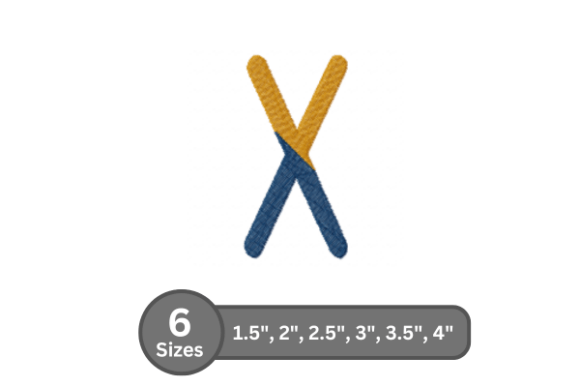
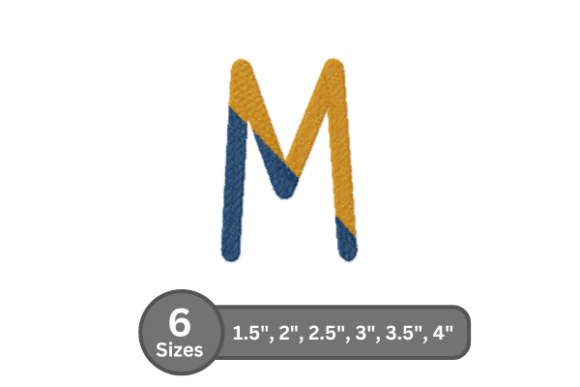
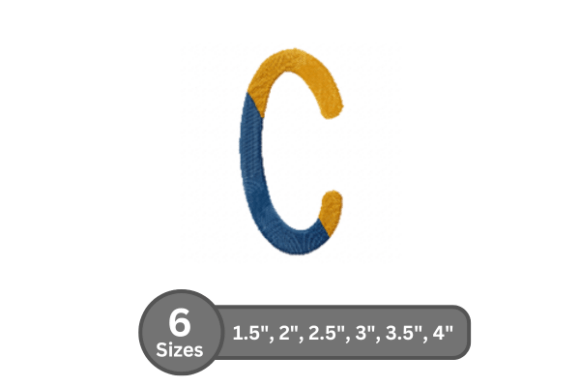
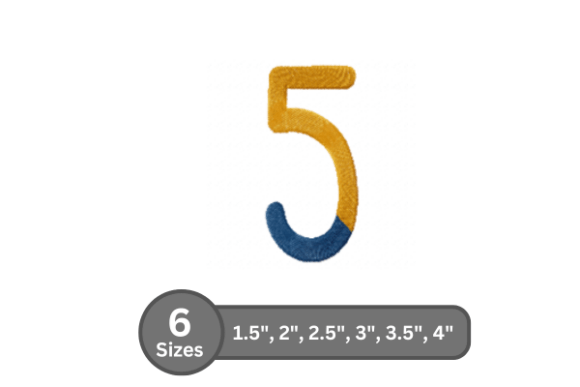
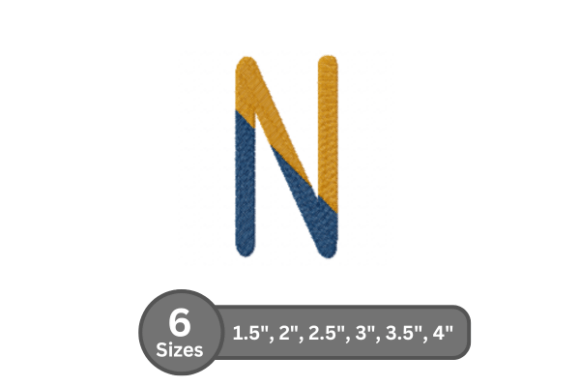
There is a distinct charm to the Chalk Split Alphabet -N that standard block fonts simply cannot replicate. This fill stitch embroidery font captures the nostalgic, hand-drawn aesthetic of vintage chalkboard lettering while maintaining the structural integrity required for modern machine embroidery. For creators looking to add a classic and bold stitched look to their projects, this digitized alphabet offers a unique texture that feels both personal and professional. However, the very characteristics that make this font desirable—its split lines and textured fill—are also what can lead to frustration if approached without proper technical consideration.
Many embroiderers assume that because a font is marketed as "easy-to-use," it will perform identically on every fabric and machine. While the Chalk Split Alphabet -N is carefully digitized for smooth stitching, achieving professional results requires more than just loading the file and pressing start. Understanding the nuances of this specific typeface helps prevent common issues like registration loss, excessive density, or design distortion. By addressing these potential pitfalls early, you can ensure your monograms, names, and creative lettering look crisp rather than chaotic.
Understanding Fabric Compatibility and Stabilization
The most frequent mistake when working with textured fill stitches like those in the Chalk Split Alphabet -N is underestimating the importance of stabilization. Because this font mimics the rough edges of chalk, the digitizing includes intentional gaps and varying stitch lengths. On stable fabrics like denim or canvas, this renders beautifully. On stretchy knits or lightweight cottons, however, inadequate stabilization can cause the fabric to pull into the hoop, distorting the letter shape and making the "split" effect look like a misalignment error.
To avoid this, always match your stabilizer to the weight and stretch of your base fabric rather than the visual style of the font. A cut-away stabilizer is generally superior for knit garments when using this alphabet, as it provides permanent support for the complex fill patterns. For towels or plush fabrics where the chalk texture might get lost in the pile, consider using a water-soluble topper. This keeps the stitches sitting on top of the fabric loops, preserving the legibility and the intended bold aesthetic. Skipping the topper on high-pile fabrics often results in a muddy design where the intricate details of the N and other letters disappear entirely.
Evaluating Density and Stitch Count
Another overlooked detail involves assuming that all sizes of this font have uniform density scaling. The Chalk Split Alphabet -N comes in multiple sizes for versatility, but resizing a fill stitch font is not as simple as dragging a corner in your software. When users resize this font significantly smaller than its intended minimum, the split lines can merge, creating a solid block of thread that lacks the characteristic chalk texture. Conversely, enlarging it beyond its maximum recommended size can result in sparse coverage where the background fabric shows through unintentionally.
Before committing to a production run, verify the stitch count and density at your desired size. If you need a size outside the provided range, it is often better to choose a different font designed for that scale rather than forcing a resize that compromises the digitizing integrity. Professional results come from respecting the limitations of the original digitization. Test stitching the specific size you intend to use allows you to see how the fill interacts with your chosen thread weight and fabric combination.
Thread Selection and Color Contrast
The visual success of the Chalk Split Alphabet -N relies heavily on contrast. A common error is selecting thread colors that are too similar in value to the base fabric, which negates the shadow and highlight effects built into the digitizing. Since this font simulates depth through stitch direction and spacing, low-contrast combinations flatten the design, making it look unfinished or poorly executed.
When personalizing clothing or home décor, aim for high-value contrast between the thread and the material. White chalk-style lettering on dark navy or black fabric is the classic application for a reason; it maximizes the visibility of the split stitch texture. If you prefer tone-on-tone embroidery, ensure there is enough difference in lightness or darkness to maintain definition. Additionally, consider thread weight. Standard 40-weight rayon or polyester works well for most applications, but using a heavier thread on the smallest sizes of this font can fill in the negative spaces too quickly, erasing the chalk effect. Always check the recommended thread specifications included with the font files.
Avoiding Registration Issues in Multi-Letter Projects
While individual letters in the Chalk Split Alphabet -N are digitized for smooth stitching, combining them into names or phrases introduces new challenges. Beginners often overlook the importance of proper hooping technique when stitching multiple letters sequentially. If the fabric shifts even slightly between letters, the consistent baseline and spacing of the chalk font will appear crooked. This is particularly noticeable with this typeface because the irregular edges amplify any alignment errors.
To maintain professional alignment, use a template or alignment grid when hooping. If your machine supports basting stitches, utilize them to secure the fabric and stabilizer before the design begins. For larger projects involving full names, consider using adhesive spray in conjunction with mechanical hooping to eliminate slippage. Taking an extra minute to ensure perfect placement prevents the disappointment of having to remove dense fill stitches from delicate fabrics later.
Making Informed Decisions Before Purchase
Before adding the Chalk Split Alphabet -N to your library, confirm that the file formats included are compatible with your specific embroidery machine. While this font is designed for broad compatibility, machines vary in how they read complex fill stitches. Reviewing sample stitch-outs or product previews specifically for your machine brand can save time and money. Look for reviews that mention performance on fabrics similar to what you plan to use, rather than generic praise.
Furthermore, understand the licensing terms regarding commercial use versus personal use. Many creators purchase fonts intending to sell finished products, only to discover later that their license restricts them to personal projects. Clarifying usage rights upfront ensures your business remains compliant and protects your investment. Whether you are a hobbyist making gifts or a small business owner fulfilling custom orders, verifying these details is as important as checking stitch quality.
Ultimately, the Chalk Split Alphabet -N is a powerful tool for adding character to embroidery projects when used correctly. By paying attention to stabilization, respecting size limits, choosing appropriate contrast, and ensuring precise alignment, you transform a digital file into a tangible, high-quality product. Embroidery is a craft of variables, and mastering this font means learning to manage those variables effectively. With mindful preparation, this versatile alphabet will serve as a reliable staple in your creative toolkit for years to come.