Evaluating the Forgiven Embroidery Design for Faith-Based Apparel and Accessories
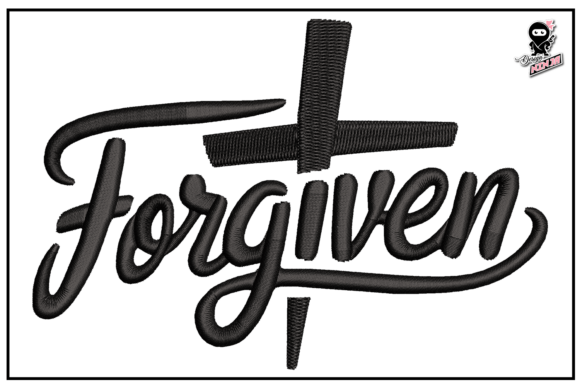
The Forgiven embroidery design presents a specific aesthetic intersection between religious symbolism and contemporary typography. Characterized by the word "Forgiven" rendered in a flowing script font with a stylized cross superimposed over and extending above the text, this digitized pattern serves as a focal point for faith-based customization. For individuals and small businesses evaluating embroidery options for apparel such as t-shirts, hoodies, jackets, hats, or caps, understanding the technical and visual nuances of this specific design is essential for achieving a professional result. Unlike generic religious clip art, this design relies on the interplay between linear lettering and vertical iconography, which introduces distinct considerations regarding fabric choice, stabilizer selection, and placement.
Visual Composition and Technical Distinctions
When comparing the Forgiven embroidery design to standard text-only or symbol-only alternatives, the primary distinction lies in its layered complexity. Standard script fonts often suffer from legibility issues when embroidered at smaller sizes due to the density of satin stitches. However, the integration of the stylized cross in this design acts as both a theological statement and a structural anchor. The cross extending above the baseline breaks the horizontal monotony of the script, creating a vertical axis that can help center the design visually on garments with challenging placement areas, such as the crown of a cap or the left chest of a hoodie.
From a digitization perspective, this design typically requires careful attention to stitch direction and underlay. The flowing script demands a smooth satin stitch column to maintain the elegance of the font, while the superimposed cross may utilize fill stitches or thicker satin columns depending on the specific digitizer’s interpretation. This combination differs from simpler block-letter Christian designs, which are generally more forgiving on textured fabrics. The Forgiven embroidery design occupies a middle ground; it offers more artistic flair than basic block text but requires more precise hooping and stabilization than a simple outline cross. Evaluators should verify the stitch count and jump stitch sequence before purchasing, as excessive jumps between the cross and the script can increase production time and affect the backside finish of the garment.
Comparing Application Methods: Embroidery vs. Alternatives
For those researching the best method to display this message, it is valuable to weigh machine embroidery against heat transfer vinyl (HTV), direct-to-garment (DTG) printing, and screen printing. Each method interacts differently with the specific attributes of the Forgiven design.
- Machine Embroidery: This is the intended medium for the Forgiven embroidery design. It provides texture, durability, and a premium tactile feel that print cannot replicate. The raised nature of the thread gives the script and cross a three-dimensional quality that enhances visibility on dark fabrics like navy hoodies or black caps. However, embroidery has limitations regarding fine detail. If the design includes extremely thin hairlines in the script, they may be lost or cause fabric puckering on lightweight materials.
- Heat Transfer Vinyl (HTV): HTV is often chosen for its ability to reproduce crisp, thin lines without the risk of puckering. For a budget-conscious project or a one-off personal item, HTV might seem attractive. However, HTV lacks the permanence and perceived value of embroidery. On items subject to frequent washing, such as ministry t-shirts or volunteer jackets, vinyl can peel or crack over time. Furthermore, HTV sits on top of the fabric rather than integrating with it, which can reduce breathability on larger designs.
- Direct-to-Garment (DTG) Printing: DTG excels at color gradients and photorealistic images, neither of which are central to the Forgiven embroidery design. While DTG can reproduce the script perfectly, it fails to capture the traditional, handcrafted aesthetic associated with religious heritage items. DTG is generally better suited for complex illustrations rather than typographic statements meant to evoke tradition.
Ultimately, if the goal is longevity and a classic faith-based aesthetic, embroidery remains the superior choice. The Forgiven embroidery design is specifically digitized to leverage thread sheen and stitch texture, making it the optimal format for this particular artwork.
Fabric Compatibility and Stabilization Tradeoffs
A critical decision factor when implementing this design is matching the digitization style to the substrate. Not all versions of the Forgiven embroidery design are created equal; some are optimized for stable woven fabrics, while others include additional underlay for knits. Understanding these tradeoffs prevents costly mistakes.
Structured Caps and Hats
The vertical element of the cross makes this design particularly well-suited for caps. When embroidering on structured caps, the design must be centered precisely to avoid distortion from the curved surface. Designs intended for flat garments often require modification for caps to account for the push-pull effect of the needle penetrating dense buckram. If using the Forgiven embroidery design on headwear, ensure the file is specifically graded for caps or test sew on a similar structure first. The benefit here is high visibility and a strong vertical profile; the tradeoff is limited sizing flexibility due to the confined sewing area of a cap frame.
Knit Apparel (Hoodies and T-Shirts)
Flowing script on knit fabrics presents a stability challenge. The stretchiness of jersey cotton or fleece can cause the script letters to gap or tunnel if not properly supported. For the Forgiven embroidery design to succeed on hoodies, a cut-away stabilizer is typically mandatory to provide permanent support for the satin stitches. Tear-away stabilizers are rarely sufficient for script on knits because they leave no residual support after removal, leading to distortion after the first wash. While this adds a step to production, it ensures the "Forgiven" text remains legible and elegant rather than warped.
Woven Fabrics (Jackets and Polos)
This is the ideal environment for the design. Woven fabrics provide a stable base that minimizes registration errors between the cross and the text. On performance polos or denim jackets, the design can often be run with lighter stabilizer, reducing bulk. The tradeoff with wovens is usually hoop burn or marking, so proper tension and protective measures are necessary, especially on darker synthetic blends.
Sizing Considerations and Legibility Thresholds
One of the most common evaluation points for any script-based religious design is minimum size. The Forgiven embroidery design features interconnected letters, meaning resizing is not always linear. Reducing a 4-inch wide design to 2 inches does not simply shrink the stitches; it increases stitch density relative to the fabric surface area.
If the intended application is a small left-chest logo on a polo or a subtle sleeve cuff, buyers must verify that the specific digitization supports small-format sewing. Script fonts below 0.25 inches in height often require specialized micro-thread or significant redesign to prevent thread breaks and poor coverage. Conversely, enlarging the design for the back of a jacket requires checking for stitch length limits. Satin stitches wider than 7mm or 8mm can snag easily and lack structural integrity. Some versions of the Forgiven embroidery design automatically split wide satin columns into textured fills when scaled up, while others do not. Comparing product specifications regarding scalable ranges is vital for multi-use projects where the same design must appear on both a hat and a sweatshirt.
Aesthetic Fit and Audience Alignment
Beyond technical execution, the decision to use this specific design involves evaluating its tonal alignment with the target audience. The flowing script conveys grace, softness, and personal testimony, distinguishing it from bold, athletic-style Christian merchandise. The superimposed cross adds doctrinal clarity without being aggressive.
This aesthetic is particularly effective for:
- Testimony Apparel: Items meant to share a personal story of redemption or faith journey.
- Ministry Uniforms: Creating a cohesive, approachable look for event staff or volunteers where professionalism meets spirituality.
- Memorial or Commemorative Items: The classic nature of script and cross imagery ages well, making it suitable for keepsakes.
However, this design may be less appropriate for contexts requiring high-impact readability from a distance, such as stage wear for worship leaders or signage. In those cases, bolder sans-serif fonts with larger, standalone crosses offer superior optical performance. Additionally, for ultra-modern or minimalist streetwear brands targeting Gen Z, the traditional script style might read as dated compared to contemporary typographic trends. Evaluators should consider whether the classic elegance of the Forgiven embroidery design aligns with their brand identity or if a modern reinterpretation would serve their demographic better.
Making an Informed Selection
Choosing the right version of the Forgiven embroidery design requires balancing artistic preference with technical reality. Buyers should prioritize files that include detailed information about stitch counts, recommended stabilizers, and tested fabric types. When comparing multiple vendors offering similar "Forgiven" concepts, look for differences in how the cross integrates with the text. A well-digitized version will have smooth transitions and minimal jump stitches, whereas a poorly digitized version may show visible gaps or awkward overlaps where the cross meets the script.
Furthermore, consider the long-term care of the finished product. Embroidered items are investments of time and money. Selecting a design that has been professionally tested on the specific garment type you intend to use reduces the risk of failure. Whether creating a single personalized gift or a line of retail apparel, the success of the Forgiven embroidery design depends less on the concept itself—which is universally recognized—and more on the precision of its execution and its suitability for the chosen medium. By carefully evaluating digitization quality, fabric compatibility, and aesthetic alignment, creators can ensure the final product honors both the message and the craft.