Life is Good: Strategic Applications of Optimism in Design and Branding
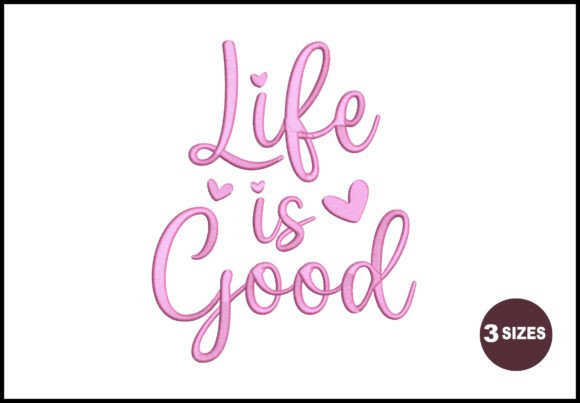
The phrase Life is Good transcends simple decoration when applied with strategic intent. In the context of the 💖 Life is Good Inspirational Script Machine Embroidery Design, this message serves as a functional tool for communication, brand positioning, and emotional engagement. For entrepreneurs, educators, and creators, leveraging this specific aesthetic—flowing soft pink script accented with scattered hearts—is not merely about adding a cheerful graphic to a product. It is a deliberate decision to align visual output with psychological outcomes. Understanding the utility of this design requires moving beyond its surface-level sweetness to examine how it influences perception, supports business goals, and fosters genuine connection in both commercial and personal projects.
The Strategic Utility of Positive Messaging
Optimism is a measurable asset in marketing, education, and organizational culture. When you choose to stitch or display "Life is Good," you are making a positioning statement. This design functions as a semantic anchor that signals safety, approachability, and resilience. For small business owners and freelancers, integrating this specific typography and color palette can soften corporate rigidity without sacrificing professionalism. The soft pink hue reduces cognitive load and evokes nurturing associations, while the flowing script suggests human touch rather than industrial automation.
Strategically, this design supports several key objectives:
- Emotional Regulation: In high-stress environments like healthcare, education, or customer service, visual cues of positivity have been shown to lower cortisol levels and improve patience. Using this design on staff apparel or office signage is an operational decision aimed at improving workplace climate.
- Brand Humanization: For marketers and content creators, the "Life is Good" script offers a way to pivot brand voice toward empathy. It acts as a visual shorthand for values-based messaging, distinguishing a brand from competitors who rely solely on transactional language.
- Gift Economy Value: In the personalized gift market, perceived value is directly tied to emotional resonance. This design transforms generic merchandise into meaningful artifacts, allowing sellers to command higher margins based on sentiment rather than material cost.
Intentional Application Across Verticals
Relying on inspirational messaging without clear context leads to diluted impact. To maximize the return on effort when using the Life is Good embroidery design, practitioners must map the application to specific user needs and environmental factors. Random placement wastes resources; intentional placement builds equity.
Apparel and Wearable Advocacy
When customizing apparel, consider the wearer’s identity and the garment's lifecycle. A t-shirt featuring this design is not just clothing; it is a walking billboard for a mindset. For fitness coaches or wellness influencers, stitching this design in soft pink script creates immediate rapport with clients seeking encouragement over intimidation. However, the placement matters. Chest-left positioning signals institutional alignment or team unity, while center-chest placement emphasizes the message as a personal mantra. Decision-makers should select fabric weights and colors that complement the soft pink thread to ensure legibility and aesthetic harmony, reinforcing the quality of the underlying brand.
Educational and Therapeutic Environments
Educators and therapists operate in spaces where emotional safety is a prerequisite for learning and healing. Here, the "Life is Good" design serves as an environmental cue. Stitching this onto tote bags for classroom supplies or creating wall art for counseling offices reinforces a safe container for vulnerability. The scattered hearts add a layer of playfulness that can be particularly effective in pediatric or special education settings. However, professionals must ensure the design aligns with their broader pedagogical or therapeutic framework. It should support, not replace, evidence-based practices. The optimism conveyed must be grounded in reality to avoid appearing dismissive of genuine challenges.
Commercial Product Development
For Etsy sellers and boutique owners, this design is a versatile SKU expander. Its strength lies in its adaptability across seasons and demographics. Unlike trend-dependent graphics, "Life is Good" has evergreen appeal. Strategic inventory planning involves applying this design to high-margin blanks like canvas totes, premium hoodies, or nursery decor. The key to long-term results is consistency. If your shop specializes in dark, edgy aesthetics, introducing a soft pink inspirational script may confuse your algorithm ranking and alienate existing customers. Conversely, if your brand centers on cottagecore, boho, or minimalist warmth, this design acts as a cohesive element that strengthens niche authority.
Planning and Execution Considerations
Successful implementation of machine embroidery designs requires technical foresight alongside creative vision. Before digitizing or purchasing the Life is Good design file, evaluate the following variables to prevent costly errors and ensure professional results.
- Substrate Compatibility: Soft pink thread behaves differently on various fabrics. On white cotton, it appears delicate and vintage; on navy denim, it pops with modern contrast; on heather grey, it may lose definition. Test stitch-outs are non-negotiable. Document which stabilizers work best with the flowing script to prevent puckering, as distorted lettering undermines the message of ease and positivity.
- Color Psychology Alignment: While pink is traditionally associated with femininity, in a strategic context, it represents compassion and calm. Ensure this aligns with your target audience's expectations. If targeting a gender-neutral or male demographic, consider testing alternative thread colors (like slate blue or sage green) while retaining the script font to maintain the design's structural integrity while adjusting its emotional temperature.
- Sizing and Hierarchy: The flowing nature of this script means resizing can distort stroke width ratios. Determine the optimal size for each application before production. A 4-inch hoop size may be perfect for a pocket, but insufficient for a pillow. Maintain the aspect ratio to preserve the elegance of the calligraphy. Poorly scaled embroidery signals low-quality manufacturing, which contradicts the "good life" promise.
- Contextual Relevance: Audit the environment where the item will live. Is the "Life is Good" message appropriate for the specific moment? In grief counseling or crisis response, toxic positivity can be harmful. Reserve this design for contexts of celebration, recovery, daily maintenance, and general wellness. Knowing when not to use a design is as important as knowing when to use it.
Mitigating Risks and Avoiding Toxic Positivity
A significant risk in deploying inspirational content is the perception of insincerity. Audiences aged 20–50 are highly attuned to performative optimism. If the "Life is Good" design is used on products or in campaigns that contradict actual business practices or personal behaviors, it creates cognitive dissonance that damages trust. For example, a company promoting employee wellness with embroidered totes while simultaneously enforcing burnout-inducing policies will face backlash. The design must be an extension of authentic culture, not a mask for dysfunction.
Furthermore, over-saturation dilutes impact. Using this design on every available surface reduces its power as a special reminder. Strategic restraint enhances value. Limit applications to moments where the message adds genuine utility or joy. In product lines, consider releasing it as a limited capsule collection or a signature staple rather than flooding inventory. Scarcity, even in digital goods, drives appreciation.
Long-Term Value and Decision Framework
To derive sustained value from the Life is Good Inspirational Script Machine Embroidery Design, treat it as a component of a larger system rather than a standalone fix. Ask three questions before every application:
- Does this serve a specific emotional or functional need? (e.g., comforting a patient, branding a wellness retreat, celebrating a milestone)
- Is the execution quality commensurate with the message? (e.g., clean stitching, appropriate materials, professional finishing)
- Does this align with my long-term positioning? (e.g., building a reputation for kindness, establishing a cohesive aesthetic, supporting mental health awareness)
When these criteria are met, the design becomes more than thread on fabric. It becomes a tangible manifestation of strategic optimism. For the entrepreneur, it differentiates products in a crowded market. For the educator, it creates a supportive learning atmosphere. For the individual, it serves as a durable anchor for gratitude. By approaching "Life is Good" with the same rigor applied to budgeting, scheduling, and logistics, you transform a simple embroidery pattern into a powerful instrument for positive change. The result is not just a beautiful object, but a meaningful interaction that resonates deeply with the human desire for hope, connection, and beauty in everyday life. This intentionality is what separates fleeting trends from enduring value, ensuring that your creative and business efforts yield results that are as sustainable as they are uplifting.